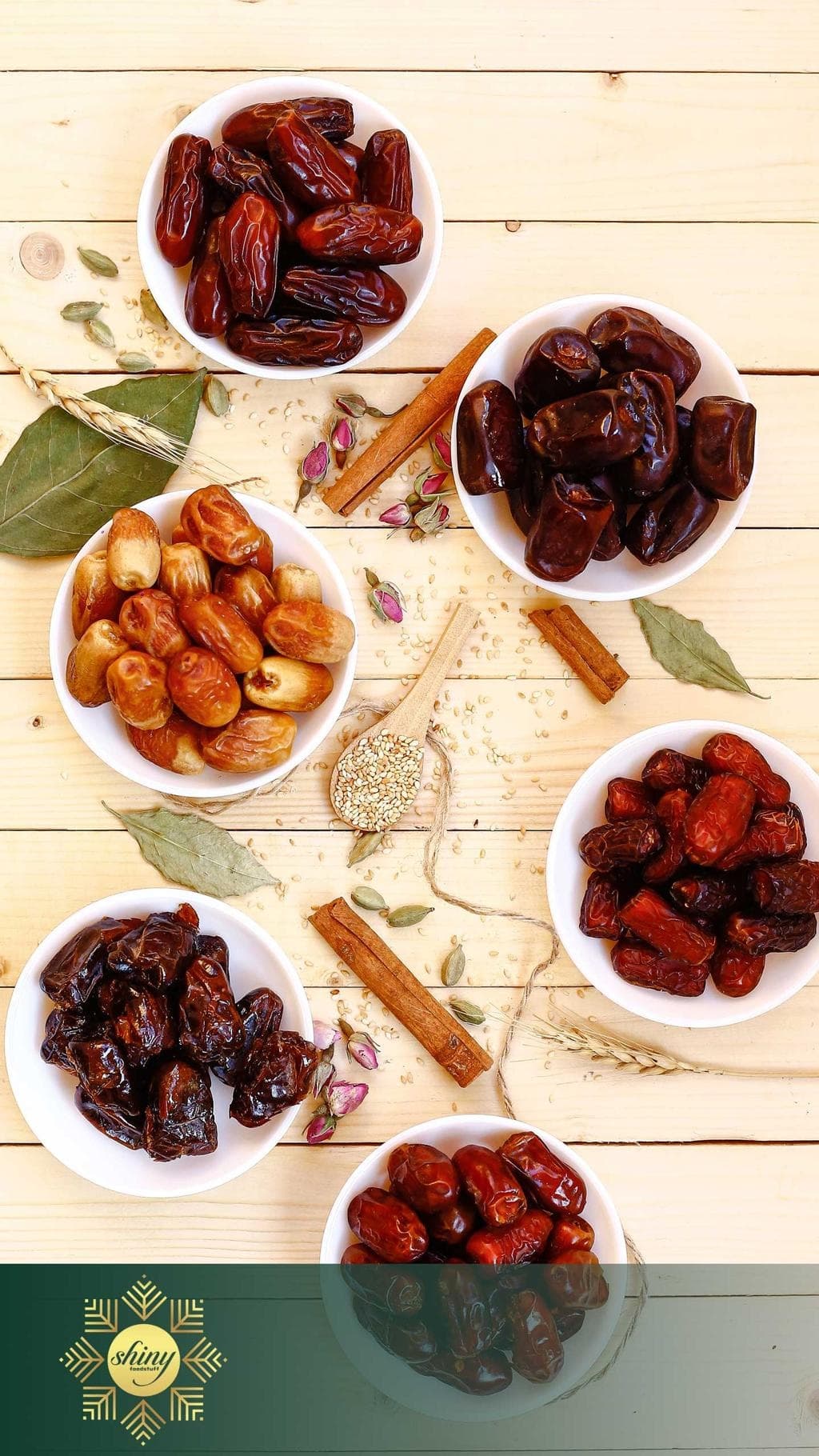
Iranian Dates and Their Differences: A Guide to Choosing Dates from a Bushehr Farmer’s Perspective
In my previous article, I shared the story behind Raxel — a story about returning to the land and to my family’s palm groves after many years of working as an employee.
I’m Mohammad Hassan Firoozi Fard, a date grower and the founder of Raxel, and I’ve decided to share some of what I’ve learned about palm trees and the dates of southern Iran.
That is why I’ve dedicated this article to a subject at the heart of everything we do at Raxel: understanding dates.
At first glance, a date may seem like nothing more than a sweet fruit. But once you look a little closer, you discover a world of different colors, flavors, textures, and characteristics.
If you tend to buy the same type of date every time, or if you have never really understood the differences between date varieties, this article is a good place to start exploring the world of Iranian dates.
Why Does It Matter to Know the Different Types of Dates?
When you shop for dates, you will come across many different names — Kabkab, Khasiui, Zahedi, Shahani, Mazafati, and many more.
But the differences go far beyond their names.
Each variety can differ in flavor, sweetness, color, size, texture, and moisture content.
For example, some people prefer dates that are soft and naturally syrupy, while others enjoy firmer, drier varieties. For an athlete, dates may be valued as a convenient source of energy, while another person may simply care more about flavor and texture.
So when we talk about the “best date,” it is worth being a little more precise.
There is no single best date for everyone. The right date is the one that suits your taste and your needs.
How Diverse Are Iranian Dates?
Dates are grown throughout many parts of Iran, particularly in the country’s warm, date-growing regions.
Provinces such as Bushehr, Khuzestan, Fars, Kerman, and Hormozgan each have their own history, climate, and traditions when it comes to date cultivation.
Climate, soil, weather conditions, palm variety, and growing practices can all influence the characteristics of the fruit.
In southern Iran, a palm grove is more than farmland. For many families, it is part of their life, heritage, and identity.
I grew up in a family where generations before me lived alongside the land and the palm trees. Perhaps that is why, after years of working as an employee, returning to the palm grove felt like more than returning to a profession.
It felt like returning to a part of my roots.
A Look at Some Well-Known Iranian Date Varieties
This article is not intended to provide a highly technical analysis of every variety. We will explore each one in greater detail in dedicated articles in the future.
For now, let’s become familiar with some of the better-known Iranian date varieties.
Kabkab Dates
Kabkab is one of the best-known date varieties from southern Iran, particularly associated with Bushehr Province.
When fully ripe, Kabkab dates can have a soft texture and a naturally syrupy quality, which has made them popular among many date lovers.
Kabkab is also one of the important varieties in Raxel’s product range. In a future article, we will take a closer look at its flavor, characteristics, storage, and what to consider when choosing it.
Khasiui Dates
Khasiui is another well-known variety from southern Iran and Bushehr.
It differs from many other date varieties in terms of size, appearance, texture, and flavor.
One important point when comparing dates is that a smaller fruit does not necessarily mean lower quality. Each variety should be appreciated according to its own natural characteristics.
Zahedi Dates
Zahedi is another widely known Iranian date variety.
Compared with softer, syrupy dates, Zahedi generally has a firmer and drier texture. This characteristic makes it particularly appealing to people who prefer a less moist date.
Shahani Dates
Shahani is another well-known Iranian variety, grown in several southern regions of the country.
Its color, shape, texture, and flavor distinguish it from many other varieties. We will explore these characteristics in greater detail in a dedicated article about Shahani dates.
Mazafati Dates
For many Iranians, Mazafati is probably one of the most familiar names in the world of dates.
It is strongly associated with Bam in Kerman Province and is known for its soft texture, deep dark color, and relatively high moisture content.
These differences are a reminder that the world of dates is far more diverse than it may first appear.
What Are the Main Differences Between Date Varieties?
If we want to explain the differences between date varieties simply, there are several key characteristics to consider:
- Texture: soft, fleshy, semi-dry, or firm
- Moisture: moisture content affects both texture and storage conditions
- Flavor: sweetness and overall flavor vary from one variety to another
- Color: ranging from golden and yellow tones to brown and deep dark shades
- Size and shape: each variety has its own distinctive appearance
- Growing region: local climate and growing conditions can influence the characteristics of the fruit
So when choosing dates, it is better to consider all of these characteristics rather than judging quality by appearance alone.
What Should You Look for When Buying Dates?
Whether you are buying dates online or choosing them at a local market, a few simple considerations can help you make a better choice.
Know Your Taste
Do you prefer soft, naturally syrupy dates, or do you enjoy dates that are firmer and drier?
Knowing your preference is the first step toward choosing the right variety.
Check the Variety
Knowing the name of the variety helps you understand what characteristics to expect from the fruit.
Don’t Judge Quality by Appearance Alone
Size and color can tell you something about a date, but they do not tell the whole story. Texture, freshness, storage conditions, and the natural characteristics of the variety all matter.
Pay Attention to Storage
The variety and moisture level of a date affect how it should be stored. Softer, more moist dates may require different storage conditions than drier varieties.
Know Where Your Dates Come From
As a farmer, I believe it matters that customers know where their dates come from and what journey they have taken before reaching their table.
For me, trust begins with knowing the product and being transparent about its origin.
Dates and Healthy Nutrition
Dates contain natural sugars, dietary fiber, and a number of minerals, and they can be enjoyed as part of a balanced diet.
For athletes, dates can also be considered a convenient source of carbohydrates and energy around physical activity.
However, the nutritional value of dates, their potential benefits, and the best time to eat them are broad topics that deserve a closer look in their own right.
In future Raxel articles, we will explore these subjects in greater detail.
Why Does Raxel Write About Dates?
When I founded Raxel, my goal was never simply to sell dates online.
I wanted people to understand the product before they bought it.
To know what Kabkab is, what makes Khasiui different, how Zahedi compares with softer varieties, and what distinguishes Mazafati.
That is why this article is the beginning of a series of articles from Raxel dedicated to understanding dates.
In the articles ahead, we will take a closer look at individual date varieties and then explore subjects such as the nutritional value of dates, dates and exercise, proper date storage, and how to choose dates.
The goal is simple:
Understand first. Choose second.
A Final Word from a Date Grower
To me, dates are more than just a product.
Behind every bunch of dates are the land, the palm tree, the farmer, the harvest season, and years of experience.
Raxel was born from this same perspective — an effort to bring farmers and consumers closer together and to share the dates of southern Iran with families across the country with greater knowledge and transparency.
I am Mohammad Hassan Firoozi Fard, a date grower and the founder of Raxel.
After years of working as an employee, I returned to the palm groves and to my roots. Now, I want to share part of this journey with you.
This article is only the beginning.
In the articles to come, we will get to know each variety a little better.
Raxel — Authenticity in Taste, Innovation in Packaging.